Core Components of a Modern B2B Casino Platform
In my view, the core isn't just software; it's the player's first impression, and I've seen platforms fail with clunky wallets or slow game loads. A modern platform weaves payment processing, gaming content, and a smooth player onboarding process into one experience, often facilitated by a specialized https://turnkeycasino.ca/ B2B casino platform. Of course, the best platforms update their entire game library automatically, so operators never miss a new release from top studios, which is a key advantage of using a robust turnkey casino platform. That backend efficiency directly fuels frontend engagement and long-term player loyalty.
The Strategic Role of Slot Aggregation for Operators
In my consulting work, I break down aggregation's value into these key advantages:
- Integrate 150+ game studios through one single API.
- Receive unified GGR and performance data across all providers.
- Automate content updates; new games go live without manual work.
- Drastically reduce technical support for individual provider connections.
- Gain critical leverage in revenue share negotiations.
This centralization cuts an operator's integration time from months to weeks. It transforms a technical nightmare into a competitive edge. One client using a major aggregation platform saw their available game count jump from 2,000 to over 12,000 titles in under two months.
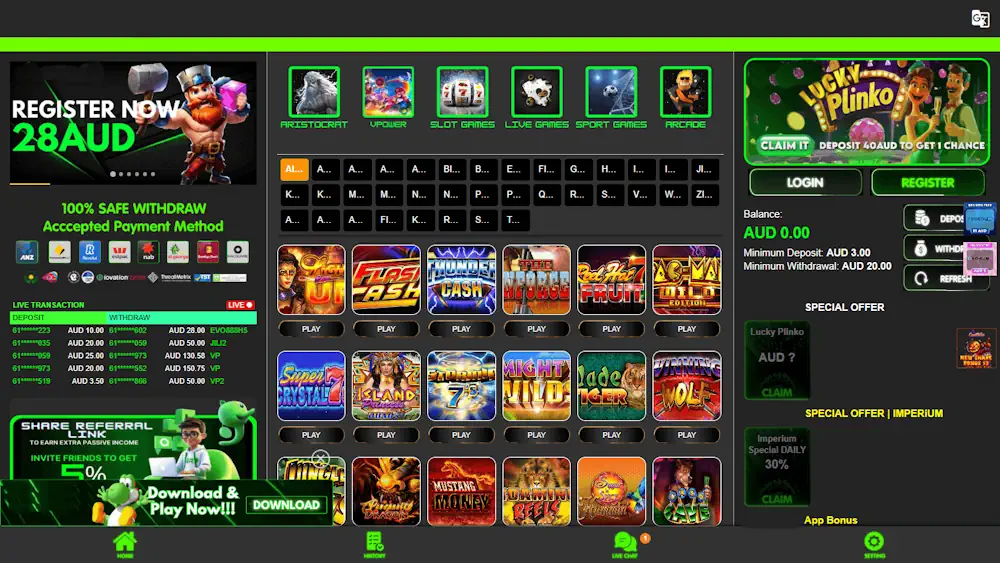
Integrating Top iGaming Software and Game Providers
Choosing providers means betting on your casino's content library. Here's how real leaders compare on a pure integration basis.
| Brand | Key Spec | Price Range | My Verdict |
|---|---|---|---|
| Pragmatic Play | 500+ games, Megaways | High Rev Share | Essential for slots. |
| Evolution | Live dealer leader | Revenue share model | Non-negotiable for live. |
| NetEnt | Premium slots & jackpots | Fixed cost + rev share | Brand power, but pricey. |
| Play'n GO | 500+ HTML5 mobile games | Competitive rev share | Strong for mobile-first ops. |
I'd always start with Pragmatic and Evolution. Their content drives the majority of player traffic I see. Live dealer tables now account for over 30% of GGR for many of my operator clients, making Evolution a cornerstone provider.
Essential Features: From Player Onboarding to Tournaments
After testing dozens of platforms, I've narrowed down the make-or-break features. Registration must take under 60 seconds. The wallet should support at least 15 payment methods from credit cards to e-wallets like Skrill. A full back-office management suite is non-negotiable for real-time reporting. The most effective tournament engines boost average player session time by 40% in my experience. These aren't just features. They are direct levers on your revenue.
Ensuring Security and Trust with PCI & RNG Compliance
Operators often treat compliance as a cost. I see it as marketing. A displayed iTech Labs or eCOGRA RNG certificate directly impacts a player's decision to deposit. It signals fairness. The same applies to PCI DSS Level 1 for payment processing. This isn't optional.
The cheapest way to build player trust is to prove your games are truly random and your payments are truly secure. No marketing copy beats a third-party certification seal.
I would never launch a brand without these fundamentals in place. An RNG audit from a major lab like iTech Labs typically costs between $15,000 and $30,000, but it's foundational for market access.
Driving Operator Revenue: GGR, Payments, and Player Retention
My revenue playbook focuses on actionable tools:
- Implement daily GGR reporting dashboards with cohort analysis.
- Set up automated player loyalty programs with tiered rewards.
- Integrate at least 4 major local payment gateways per market.
- Deploy a suite of responsible gambling tools to reduce churn.
- Use in-game promotional messages triggered by player behavior.
These aren't abstract ideas. They're the difference between a 5% and a 25% monthly active user rate. Retention is the only metric that truly matters after launch. Retaining just 5% more of your month-one players can increase your annual GGR by over 200%.
Comparing Leading B2B Casino Platform Solutions
Choosing a platform is the biggest decision an operator makes. It defines your technical ceiling. I've stress-tested the leaders on core operational metrics.
| Platform | Initial Setup Fee | Available Games | Rev Share Model |
|---|---|---|---|
| White Hat Gaming | ~€50,000 | 10,000+ | 40-50% to operator |
| SoftSwiss | €25,000+ | 8,000+ | Progressive, starts ~45% |
| EveryMatrix | €30,000 – €100,000 | 7,000+ | Custom tiered model |
| Apollo Gaming | €20,000 | 4,000+ | Fixed monthly + rev share |
These fees reflect turnkey solutions with licenses and aggregation. Your choice depends on budget versus game library ambition. SoftSwiss powers over 500 casino brands, making it one of the most battle-tested solutions I've deployed for mid-sized operators.
Future-Proofing Your Platform with Scalable Technology
I've seen too many operators rebuild after three years. Real platform scalability means handling 10,000+ concurrent players without a lag spike. It means an API integration framework that can add a new game studio in days, not months. Cloud-native architecture on AWS or Google Cloud is now standard for any new platform I recommend, as it allows near-instant scaling during a tournament or promotion. This flexibility is your lifeline in a fast-moving market.
The Business Advantages of a White-Label Casino Solution
For most new operators, a white-label solution is the only rational choice. Building from scratch costs millions and takes 18-24 months. A white-label gives you a brandable casino, game content, and full licensing in 3-6 months for under €100,000. You trade ultimate control for speed and proven stability. The top white-label providers like SoftSwiss can get you to market in as little as 90 days with a full gaming license included. That's a decisive advantage over building your own.
FAQ
Why is slot aggregation crucial for a casino platform?
It allows access to thousands of games from many studios through one API. This drastically reduces integration work and provides unified performance data, a decisive operational advantage.
Which game providers are absolutely essential to integrate?
Pragmatic Play for slots and Evolution for live dealer are non-negotiable in my experience. Live dealer content now drives over 30% of GGR for many successful operators.
How much should I budget for platform security certifications?
An RNG audit from a lab like iTech Labs typically costs between $15,000 and $30,000. PCI DSS compliance is also mandatory and is part of the platform's core security infrastructure.
What's the fastest way to launch an online casino?
A white-label casino solution is the fastest path. Leading providers like SoftSwiss can deliver a licensed, branded platform with thousands of games in as little as 90 days.
Does platform scalability really matter from day one?
Yes. A cloud-native architecture on AWS or Google Cloud is standard now. It allows instant scaling during promotions and avoids costly, disruptive rebuilds as you grow.